September 2026 Market Outlook for GBP, EUR and USD
7 min read
Share


GBP
The pound ended August marginally firmer against the dollar, in turn notching back-to-back monthly gains against the greenback for the first time this year, with spot briefly having touched 6-month highs in the process, even as upside fizzled somewhat into month-end.
That said, a fair chunk of the pound’s strength, in reality, stemmed from fairly broad-based pressure on the greenback. As such, in the crosses, sterling didn’t do especially much at all throughout August, with GBP/EUR continuing to linger around the €1.17 mark for much of the month, or just shy of the psychologically important 0.86 mark in EUR/GBP.
From a fundamental perspective, fresh drivers were somewhat elusive throughout the month, not least considering that August passed by without a Bank of England policy decision. Still, Governor Bailey did make remarks at the Jackson Hole Symposium, noting that he continues to see little sign of second-round effects from higher energy prices impacting the inflation outlook. Said remarks are consistent with the message delivered at the July MPC meeting, and indicate that the Committee remain likely to hold Bank Rate steady at 3.75% at the September confab, even if a few hawkish dissenters are again likely.
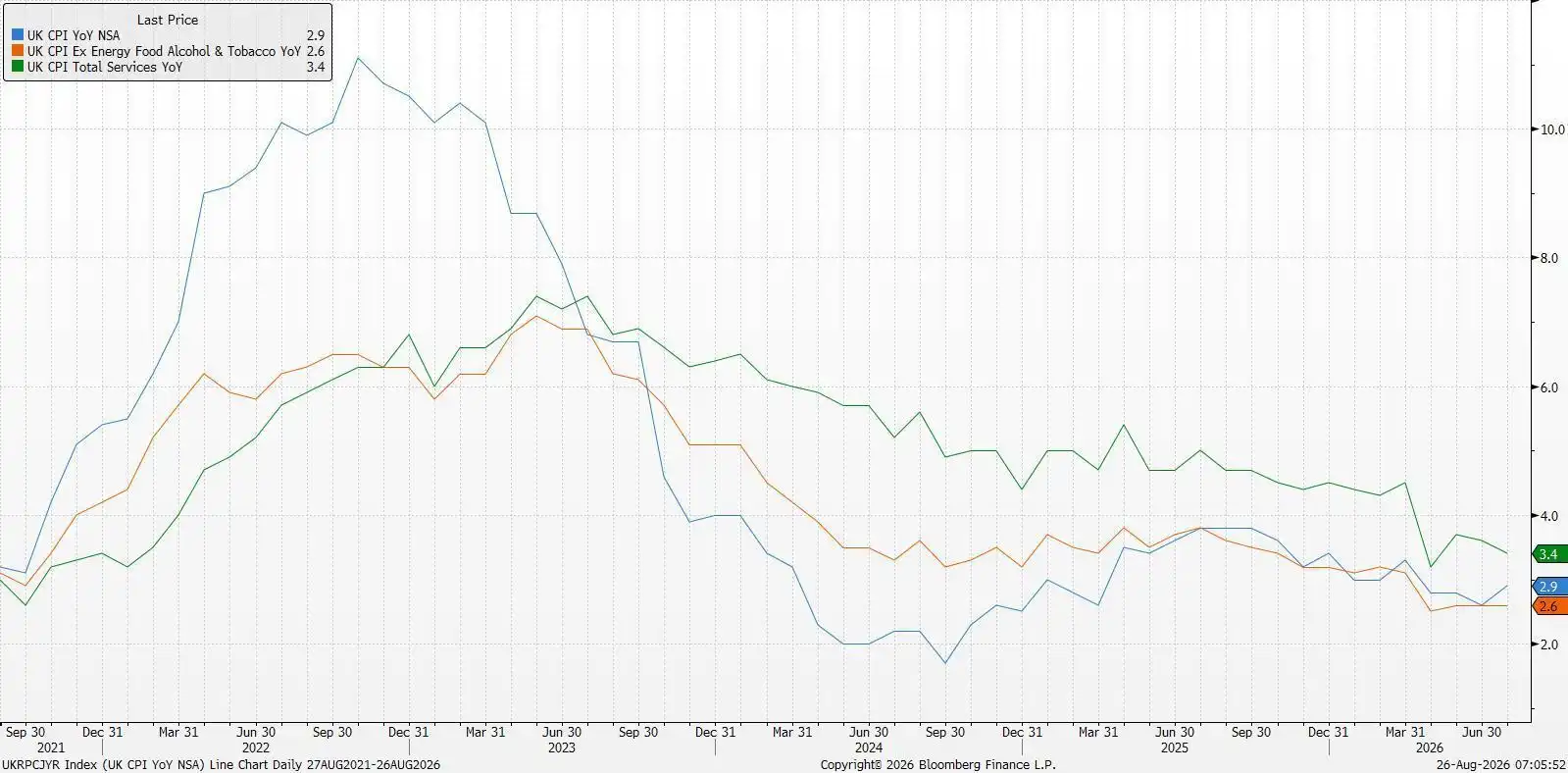
On that note, headline CPI rose to 2.9% YoY in July, its highest level since conflict broke out in the Middle East, reflecting the 13% rise in the Ofgem energy price cap which took effect at the start of the month. Setting energy prices aside, though, the underlying inflationary backdrop continues to look relatively favourable, with core CPI having held steady at 2.6% YoY, and services inflation having slipped to 3.4% YoY. So long as these disinflationary trends continue, any policy action from the ‘Old Lady’ seems unlikely.
Supporting the MPC’s majority view that no policy tightening is required as the margin of labour market slack which remains. Headline unemployment held steady for the third month running at 4.9% in the three months to June, while private sector earnings growth, at 2.8% YoY, is clearly consistent with achievement of the 2% inflation target over the medium-term.
A more pressing worry, however, in the short-term, is that private sector earnings growth is now negative in real terms, and will likely remain so for the remainder of the year, likely further crimping disposable incomes, and denting consumer spending. The modest decline in retail sales seen in July could well be a harbinger of further weakness to come and poses a notable downside risk to growth moving into autumn.
On a similar note, as Parliament returns from its summer recess, the fiscal backdrop is likely to increasingly come into focus, as politicos and market participants alike look forward to Budget Day on 28th October. For markets, particular attention will be paid to not only the size of the ‘black hole’ that Chancellor Healey will need to plug, likely around £30bln - £40bln, but also the measures he plans to use to do so, especially the second- and third-order effects on growth, investment, and spending of any tax increases that may be in the pipeline.
EUR
The common currency also notched back-to-back monthly gains in August, with spot briefly trading above $1.17, to its best levels since May, before retreating into month-end.
Eurozone-specific developments were relatively thin on the ground throughout the month, with ECB officials observing a typically quiet summer break, and with minutes from the July meeting offering little by way of clarity on the policy outlook. Still, a handful of ‘sources’ stories continued to lay the groundwork for a September rate increase, with anything other than a 25bp hike at the upcoming confab being a huge surprise.
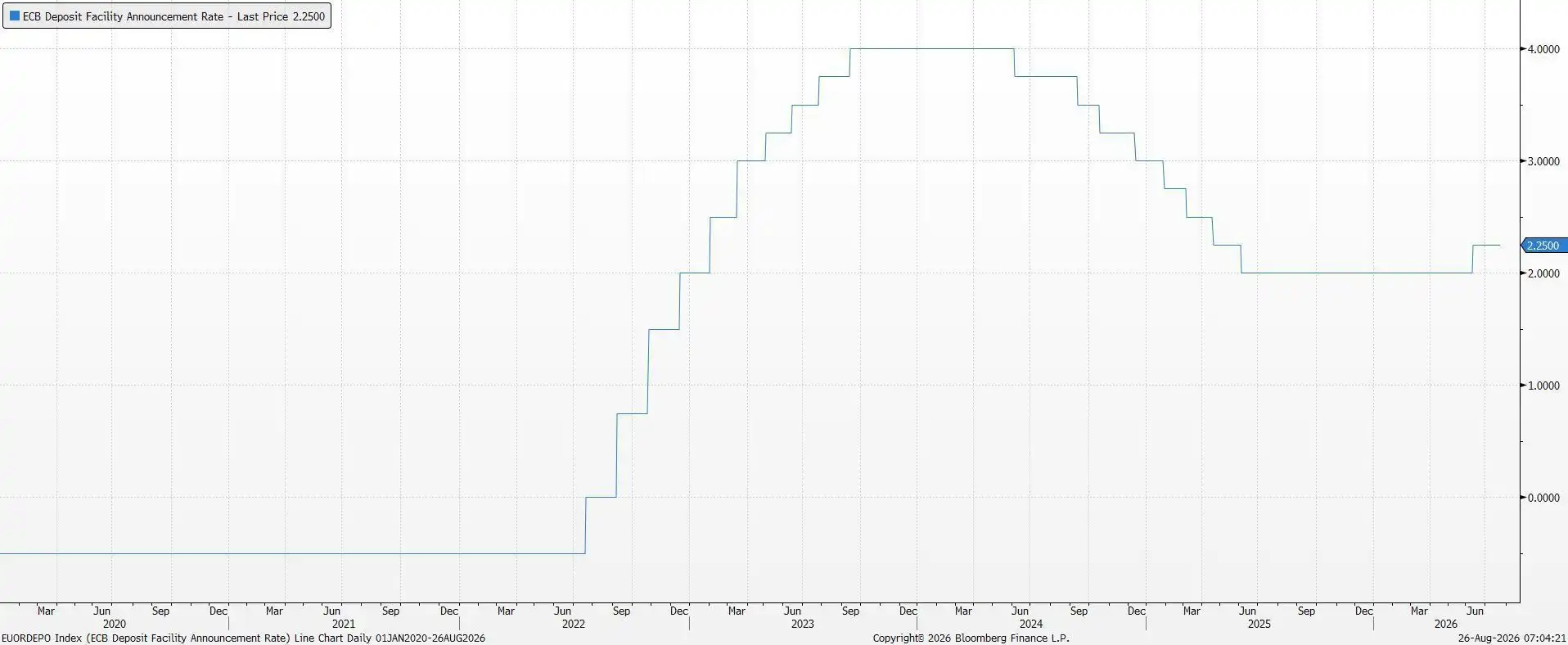
The bigger question now facing policymakers, however, is whether any tightening beyond that is necessary. Combining the June hike already delivered, and the near-certain upcoming move in September, amounts to a total of 50bp of tightening in the space of three meetings. More importantly, said tightening would take the deposit rate to the top of the range of estimates as to where the neutral rate lies, at 2.50%. There has, as of yet, been little indication that the Governing Council see a need to take rates into ‘restrictive’ territory, especially amid scant signs of second-round inflation effects, though a more prolonged energy shock, especially with EU nat gas prices on the rise once more, could shift their thinking, and see a December hike being delivered too.
While it is, clearly, too soon to see any effect of the tightening already delivered on the eurozone economy, the growth backdrop has remained relatively resilient thus far. The ‘flash’ composite PMI rose to a 9-month high in August, while output in the manufacturing sector increased at its fastest pace in four-and-a-half years, though this did reflect a degree of front-running, and stockpile building, amid ongoing supply chain disruptions in the Middle East.
Looking ahead, besides the question of whether or not the ECB will tighten further, participants and policymakers alike will also be keen to assess whether the recent degree of economic resilience can be sustained, or whether momentum begins to wane as the impact of stockpiling begins to fade.
USD
The dollar came under pressure against most major peers last month, primarily as participants displayed increasing concern over the US’ fiscal trajectory, debt levels, and expressed scepticism over Treasury Secretary Bessent’s long-end buyback plans.
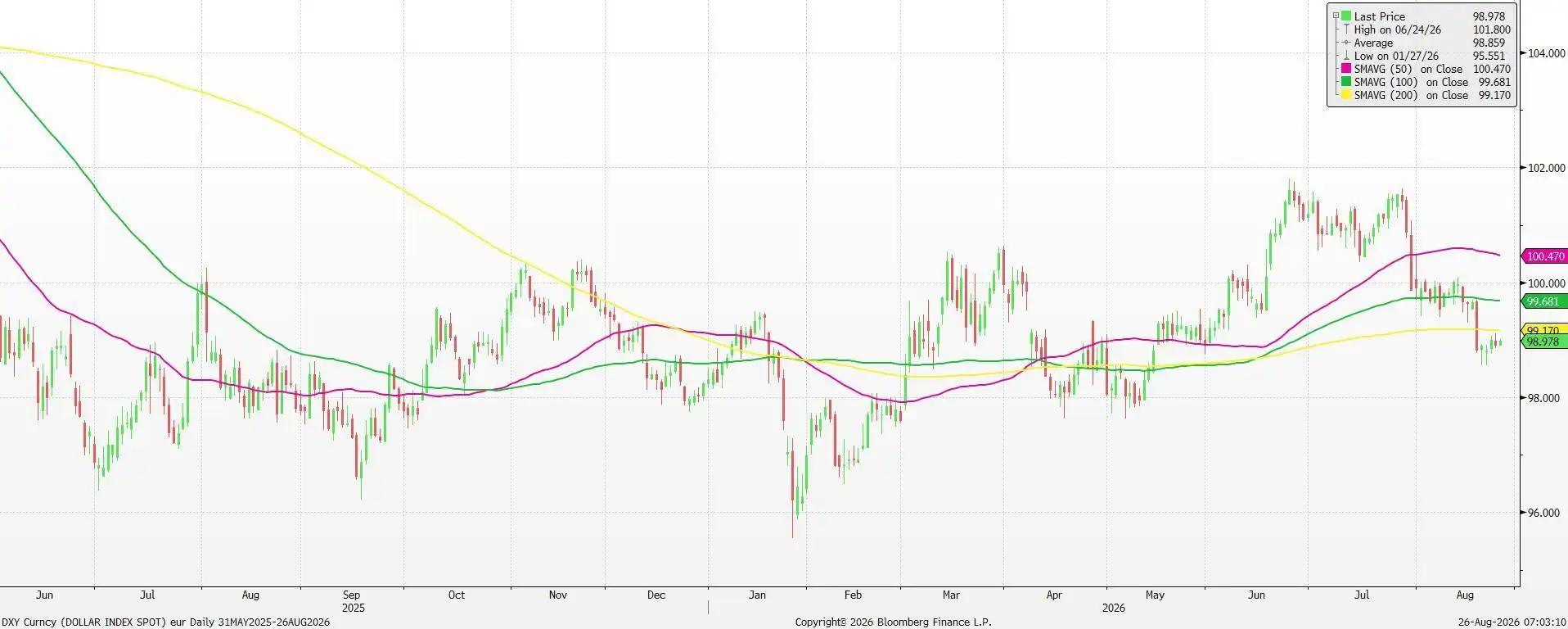
Those declines, however, pared somewhat into month-end, amid a hawkish repricing of Fed policy expectations, triggered by Chairman Warsh’s debut address at the Jackson Hole Symposium. In contrast to the perhaps muddled message delivered at the July press conference, Warsh struck a clearer tone, noting that if the FOMC are not confident in underlying inflation moving ‘clearly and at sufficient speed’ to target, the Committee will have ‘work to do’.
While a more hawkish message than that delivered four weeks prior, it is still a highly conditional one, and does not, by any means, make a September hike nailed-on. Current market pricing discounts around a 60% chance of such a move which, with the August jobs, and inflation, reports still to come, seems fair.
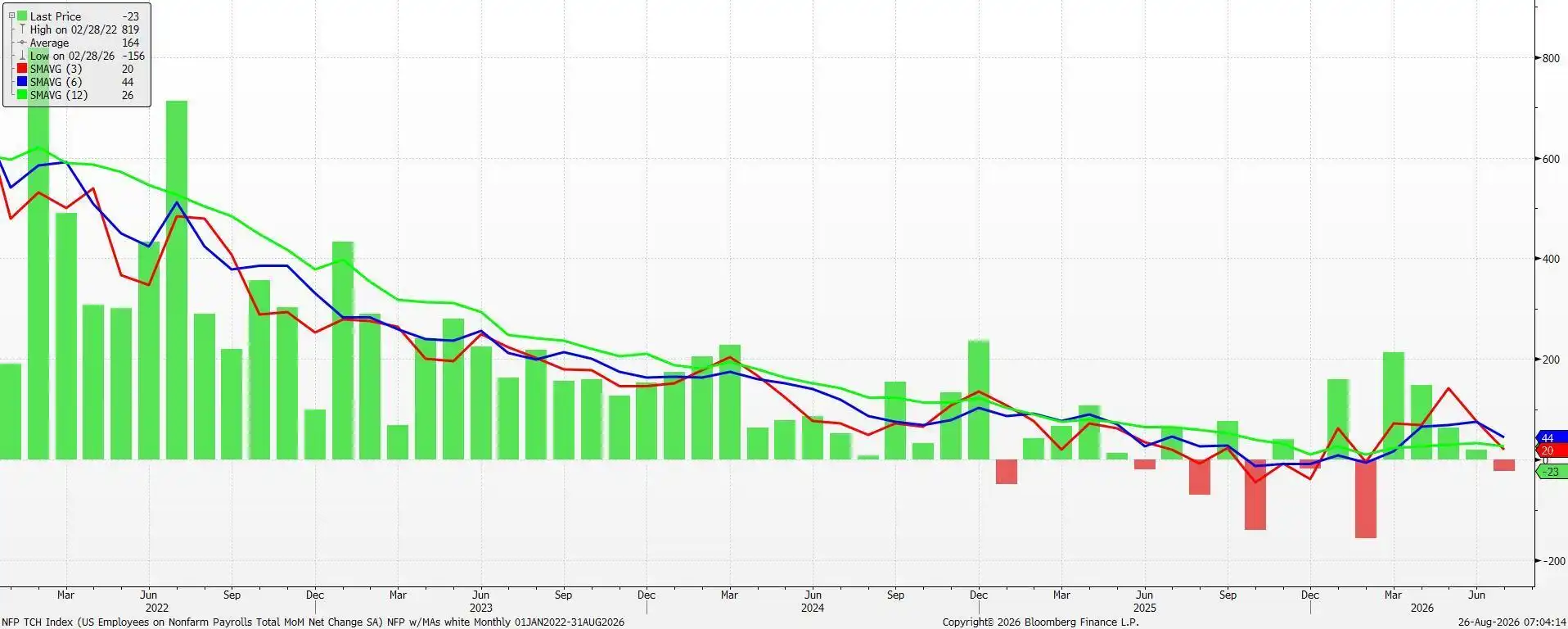
On the labour front, the July jobs report was surprisingly soft, pointing to headline nonfarm payrolls having fallen unexpectedly by 23k last month, and to earnings having risen at the slowest pace in more than five years, at 3.2% YoY. Unemployment, at 4.1%, was 0.1pp lower than June, though continues to be artificially suppressed by falling labour force participation. It should be noted that the FOMC, in the modern era, has only hiked rates twice after a single negative payrolls print, and has never tightened policy immediately after back-to-back negative headline payrolls figures.
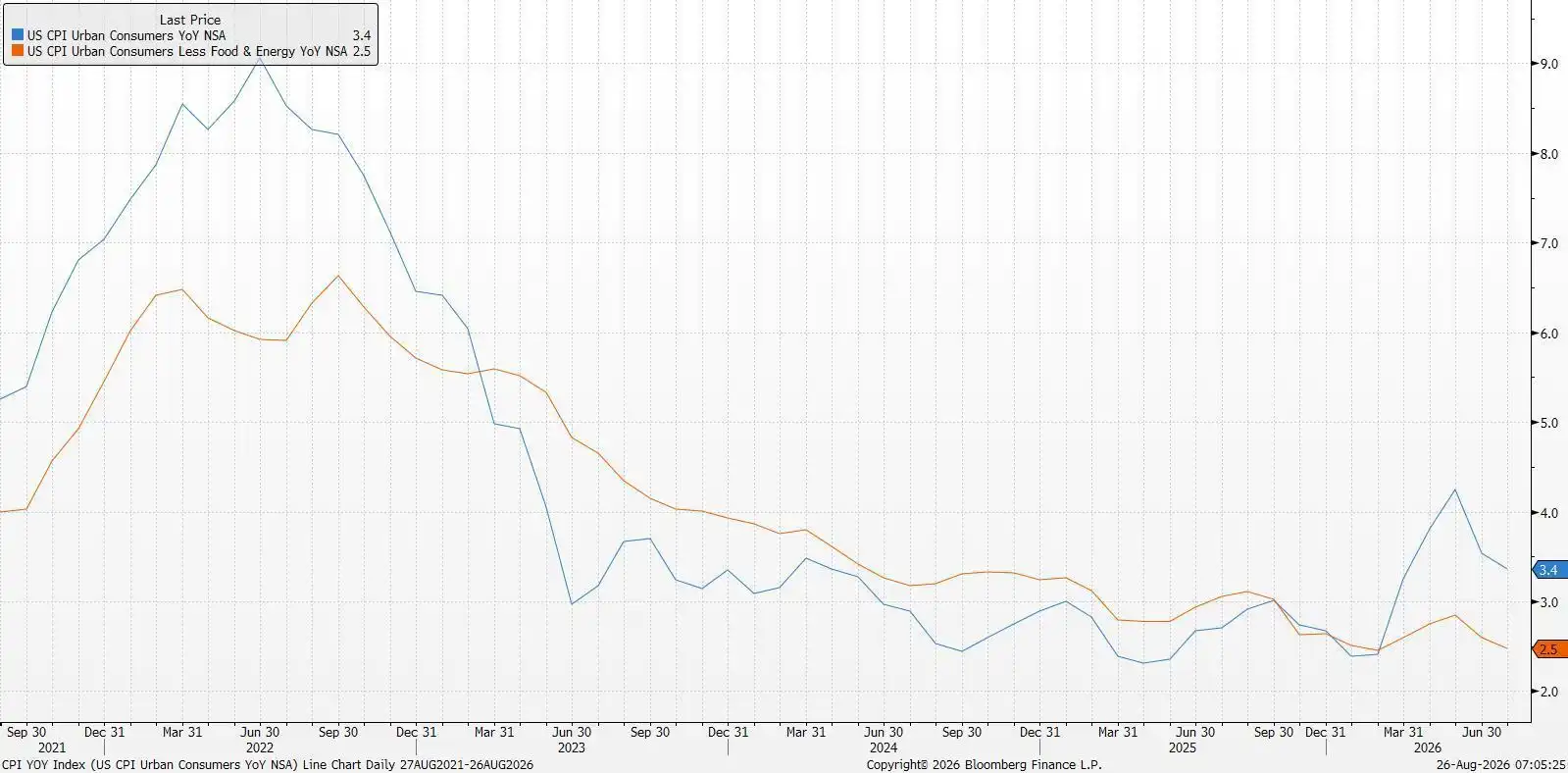
As for the inflation side of proceedings, the backdrop is less clear. This murkiness owes not only to the continued volatile nature of energy prices, as conflict in the Middle East extends into a sixth month, but also due to various methodology quirks, meaning that the Fed’s preferred PCE metric continues to run considerably above the CPI figure. Thankfully, various changes that the BEA plan to make at the end of Q3 should go some way to narrowing this discrepancy.
Still, the underlying backdrop remains one where second-round effects of higher energy prices have yet to come to fruition, and where the trend is still one of disinflation. Core CPI, for instance, rose 2.5% YoY in July, the slowest pace since February, with notable disinflation also seen in the core goods, and core services components. Meanwhile, the trimmed mean PCE figure, at 2.3% YoY in July, also suggests a continued easing in price pressures.
Setting aside the monetary backdrop, the month ahead is also likely to see politics play an increasing role, as campaigning for November’s midterm elections gets underway in earnest after Labor Day. trade relations, and tariffs, will also be in sharp focus, amid not only an escalating US-Canada trade spat, but also ahead of Chinese President Xi’s visit to DC in late-September.
Key Dates
GBP
- 1 - Manufacturing PMI (Aug F)
- 3 - Services PMI (Aug F)
- 11 - GDP (Jul)
- 15 - Labour Market Report (Jul)
- 16 - CPI (Aug)
- 17 - BoE Decision
- 18 - Retail Sales (Aug)
- 22 - PSNB (Aug)
- 23 - ‘Flash’ PMIs (Sep)
- 29 - GDP (Q2 F)
EUR
- 1 - Manufacturing PMI (Aug F), Flash CPI (Aug)
- 3 - Services PMI (Aug F), PPI (Jul)
- 4 - Retail Sales (Jul)
- 7 - GDP (Q2 F)
- 10 - ECB Decision
- 17 - CPI (Aug F)
- 23 - ‘Flash’ PMIs (Sep)
USD
- 1 - ISM Manufacturing (Aug)
- 3 - ISM Services (Aug)
- 4 - Labour Market Report (Aug)
- 10 - PPI (Aug)
- 11 - CPI (Aug)
- 16 - Retail Sales (Aug), FOMC Decision
- 30 - PCE (Aug), GDP (Q2 F)
Data: Bloomberg
Click here for an instant quote or contact us for a free foreign exchange health check, guaranteed to save you money.
Important Disclaimer: This blog is for informational purposes only and should not be considered financial advice. Currency Solutions does not take into account the investment objectives, financial situation, or specific needs of individual readers. We do not endorse or recommend any specific financial strategies, products, or services mentioned in this content. Forward contracts can help businesses manage foreign exchange exposure by providing greater certainty over future exchange rates, although they may also mean that businesses do not benefit from favourable exchange-rate movements. Businesses should consider their individual circumstances and speak with their dealer to understand how forward contracts may support their specific foreign exchange requirements. All information is provided “as is” without any representations or warranties, express or implied, regarding its accuracy, completeness, or timeliness.