Sterling, Euro Retreat as Iran Shipping Plan Lifts Oil, Dollar
9 min read
Share


Iran's parliament is reviewing a draft plan to ban US and Israeli vessels from the Strait of Hormuz and impose a 20% cargo penalty on hostile nations. Oil jumped on the news, Brent trades above $83, WTI near $78, reviving inflation fears and firing up safe-haven dollar demand.
The DXY firms near 100.00. GBP/USD slips to 1.3450, rangebound all week as UK-US yield spreads narrow and the BoE holds at 3.75% with a divided committee. EUR/USD retreats to 1.1520 after a mid-week high of 1.1560, with weak eurozone retail sales adding pressure from the data side.
All eyes now turn to US July Nonfarm Payrolls (NFP) due today. Consensus sits at 80K. A strong print could push September Fed hike odds that sit currently at 54.5% higher.
GBP: Stagflation Concerns Soften Cable
GBP/USD: 1.3445 | EUR/GBP: 0.8568
Sterling slipped for a second straight session, with GBP/USD easing towards 1.3450 as investors favoured the dollar ahead of the US Non-Farm Payrolls report. The move came despite fading political uncertainty in the UK, showing that external drivers carried more weight than domestic sentiment.
The immediate pressure came from narrowing UK-US government bond yield spreads. Analysis suggests that narrowing UK-US yield spreads are undermining the structural case for the pound. When the yield differential compresses, meaning UK rates lose their premium over their US equivalent, the currency's attraction for overseas investors weakens. That is the dynamic playing out now, and it is doing quiet damage to cable's footing even as the headline rate holds its weekly range.
The political backdrop has shifted. PM Andy Burnham, who took office on 20 July, has reassured that the previous government's fiscal rules stand. Sentiment toward UK political risk has softened for that reason. Burnham’s outlook reads as nuanced, with his early references to seeking "flexibility within the rules" triggering a brief gilt sell-off and keeping gilt-watcher caution alive. Fiscal credibility is not yet fully banked, and the autumn budget will serve as the real test.
The Bank of England (BoE) held rates at 3.75% last Thursday in a 6-3 vote. Bailey acknowledged that inflation fell faster than the BoE expected but pointed to the continued risk from elevated energy prices, with the MPC warning that UK inflation could climb back toward 4.5% in 2027 if energy costs stay high. Three members backed an immediate 25bp hike to 4.00%, highlighting a committee that is still actively divided. That split, combined with rising oil prices, frames a genuine stagflation tension with slowing growth on one side and inflation risk reigniting from Hormuz-driven energy prices on the other. The BoE's next move may be shaped less by domestic wages data and more by how the Middle East situation evolves over the coming weeks.
Construction PMI beat expectations this week, providing a small bright spot, but without a fresh domestic catalyst, sterling is unlikely to break decisively from its current range.
Geopolitics also reshaped demand for safe-haven currencies. Media reports suggesting that Iran's parliament is considering restrictions on US and Israeli shipping through the Strait of Hormuz pushed investors back towards the dollar. Concerns over one of the world's busiest energy corridors supported the Greenback and weighed further on Sterling.
For GBP/USD, the story is becoming less about domestic politics and more about relative policy expectations. UK political risk has eased, but yield spreads, oil prices and global risk appetite now dictate the pair's direction. Unless UK data shifts expectations for the BoE or US data changes the Federal Reserve (Fed) outlook, external drivers are likely to stay in control.
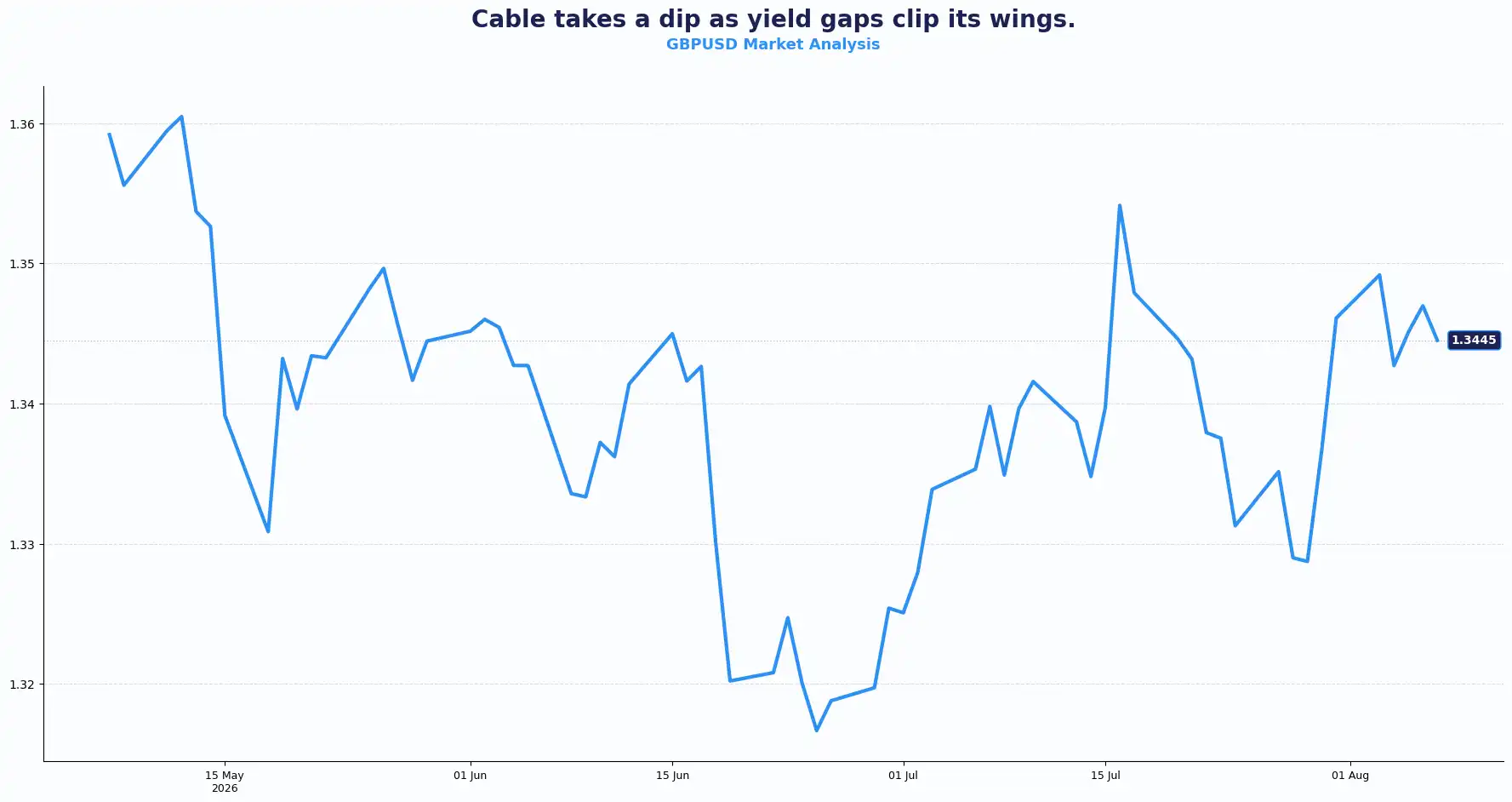
Key Technical levels for the GBP/USD pair: Resistance sits at 1.3544, 1.3505, 1.3555 and Support sits at 1.3326, 1.3194, 1.3199, 1.3140-1.1.318
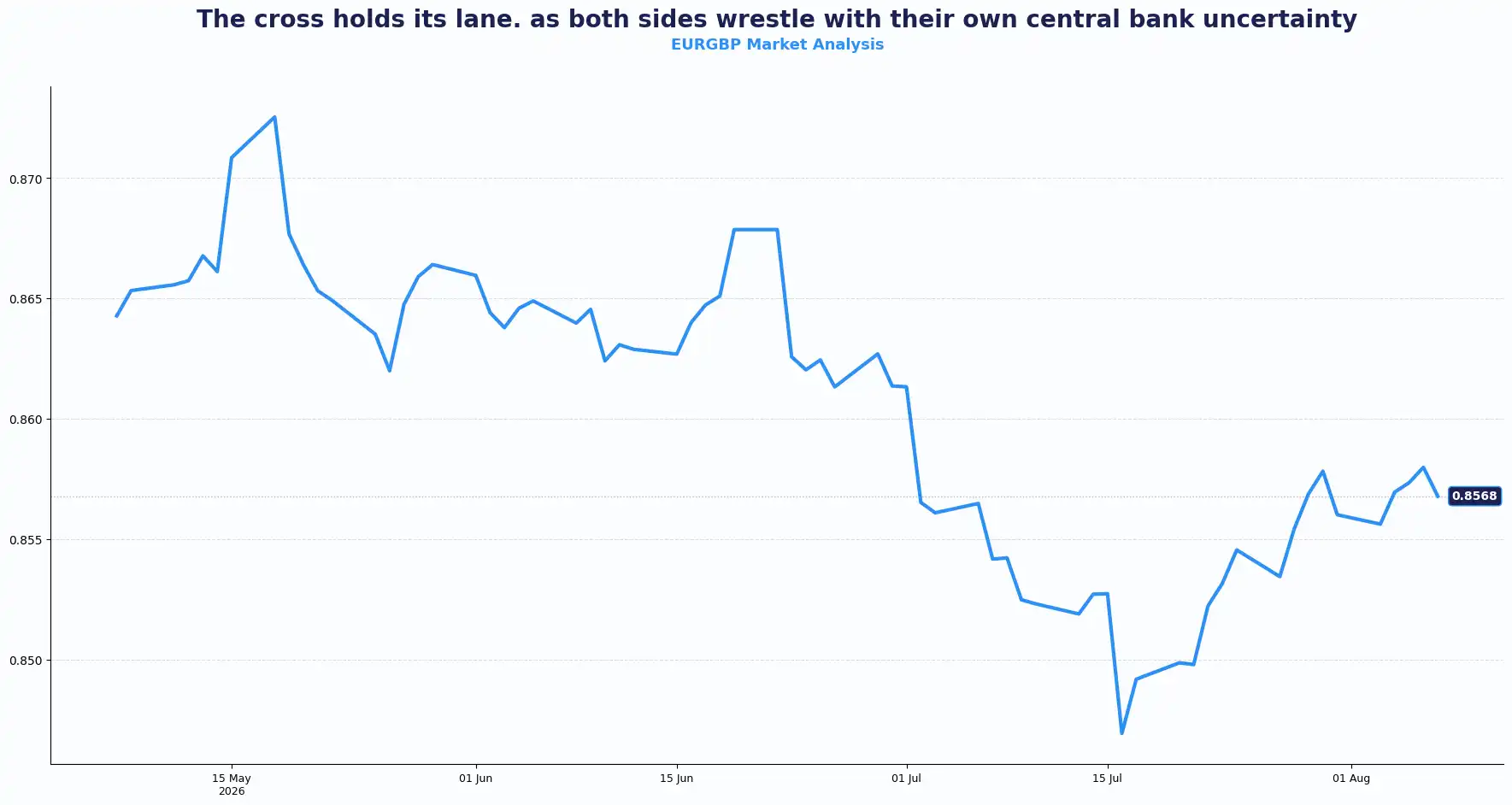
Key Technical levels for the EUR/GBP pair: Resistance sits at 0.8587, 0.8606 and Support sits at 0.8548, 0.8529, 0.8510
EUR: German Industrial Recovery Fails to Stem Losses
EUR/USD: 1.1523
The Euro lost momentum after failing to hold this week's rally, with EUR/USD slipping back towards 1.1520 as investor sentiment shifted into the dollar ahead of the US Non-Farm Payrolls (NFP) report. The pair briefly tested three-week highs before renewed demand for the dollar erased much of those gains.
Germany offered a mixed picture. Industrial Production rose 0.2% in June, beating forecasts, but the improvement slowed from the previous month after downward revisions. Annual output still contracted, highlighting that Europe's largest economy continues to struggle for sustained industrial momentum. The figures offered little support for the single currency because stronger factory output failed to offset wider concerns over slowing demand across the Eurozone.
Fresh retail sales data added to that cautious outlook. Eurozone Retail Sales unexpectedly fell 0.3% in June, reversing most of May's increase. Annual growth also slowed sharply, pointing to weaker consumer spending across the bloc. Together, the latest figures suggest domestic demand has yet to build enough momentum to support stronger economic growth through the second half of the year.
External pressures also weighed on the Euro. Rising tensions around the Strait of Hormuz lifted oil prices and increased demand for traditional safe-haven assets, including the dollar. Higher energy costs could also complicate the European Central Bank's (ECB) inflation outlook. Falling energy prices had supported expectations that inflation could continue easing. A sustained rise in crude prices could slow that process and keep inflation risks elevated for longer.
ECB policymakers continue to strike a cautious tone. Governing Council member Kocher reiterated that future decisions will depend on incoming data and warned that geopolitical developments could quickly alter the inflation outlook through higher energy prices. That leaves the ECB balancing weaker growth against inflation risks that could return if commodity prices continue climbing.
For EUR/USD, attention has shifted beyond domestic data. The pair now reflects the balance between ECB policy expectations, global energy prices and the strength of the US dollar. Until either European growth improves or US rate expectations change, those themes are likely to drive price action.
Changes in energy prices, central bank policy and risk sentiment continue to influence how participants price the Euro against both the dollar and Sterling.
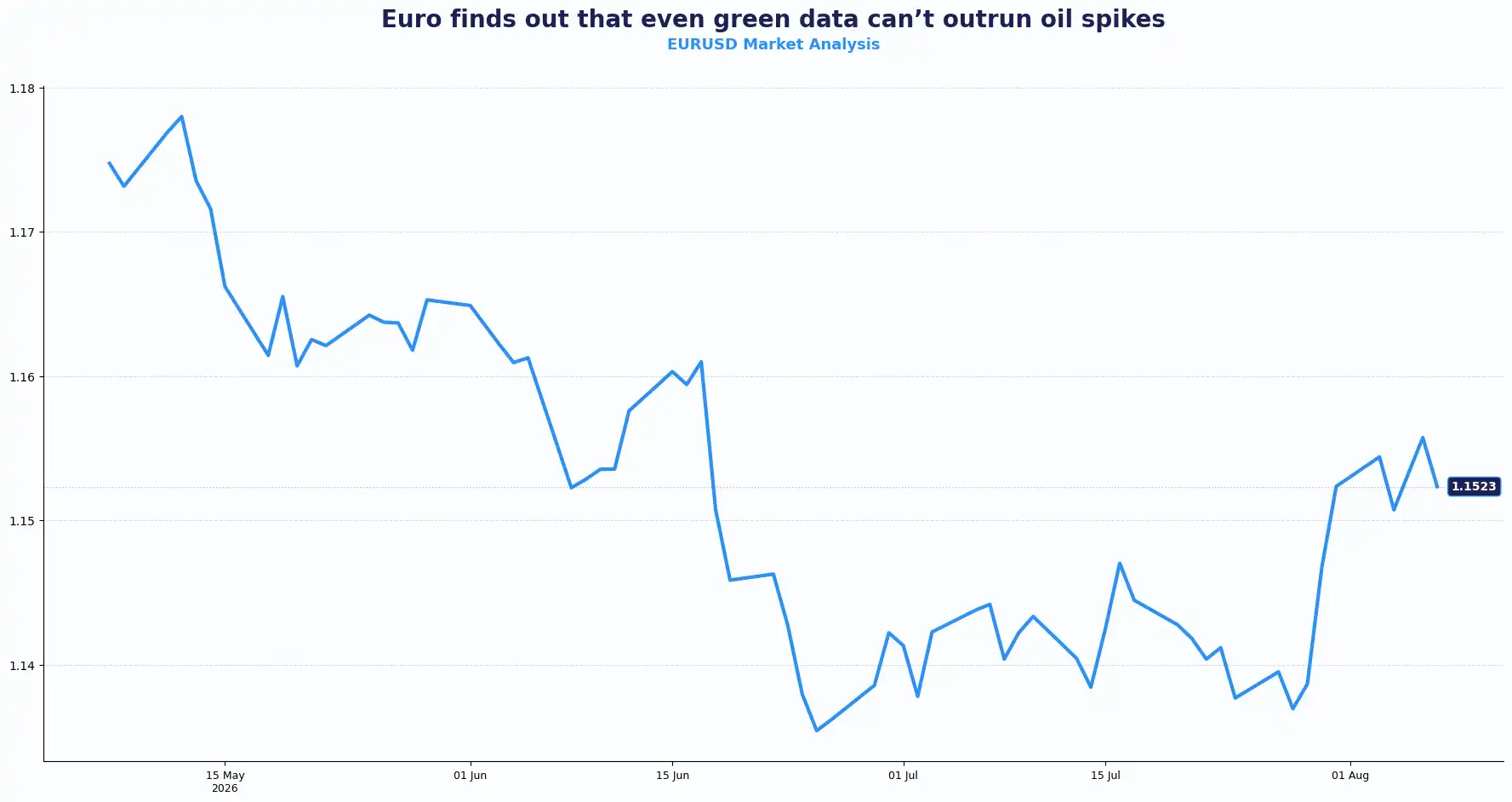
Key Technical levels for the EUR/USD pair: Resistance sits at 1.1560 and Support sits AT 1.1500, 1.1480
USD: Safe-Haven Flows Boost DXY Ahead of NFP
DXY: 99.95
The dollar strengthened against every major currency ahead of the US NFP report as rising Treasury yields, firmer oil prices and renewed geopolitical tensions encouraged investors to favour safe-haven assets. The US Dollar Index (DXY) edged back towards the 100.00 mark after posting broad gains across the major currency complex.
The latest move reflects a shift in expectations rather than a single catalyst. Oil prices climbed after fresh concerns over shipping through the Strait of Hormuz, lifting inflation expectations at a time when Fed officials continue to stress that price pressures have not fully eased. That combination has strengthened the case for higher US interest rates staying in place for longer.
St Louis Fed President Alberto Musalem reinforced that message, arguing inflation still sits above target and monetary policy should stay focused on bringing it lower. He backed another rate increase at the latest meeting and said gradual policy tightening carries lower risks than waiting and acting more aggressively later. His comments added to speculation that policymakers could still tighten further if inflation proves persistent.
US labour data also continued to support the dollar. Initial Jobless Claims stayed low while Challenger Job Cuts fell to their lowest level in two years, suggesting the labour market continues to show resilience ahead of today's payrolls release. Consensus forecasts point to payroll growth of around 80,000 jobs, with the unemployment rate expected to hold at 4.2%. Investors will also watch wage growth closely for fresh clues on inflation pressures and the Fed’s next policy move.
Geopolitics remains another pillar supporting the Greenback. Doubts over any near-term breakthrough in Iran, alongside reports that Tehran could restrict US and Israeli vessels from using the Strait of Hormuz, have increased demand for traditional safe-haven assets. At the same time, reports that Fed Chair Kevin Warsh could support another rate increase if inflation stays elevated have reinforced the dollar's yield advantage.
For the dollar, today's Non-Farm Payrolls report will shape the next phase of interest-rate expectations. A stronger labour report could reinforce the case for policy staying restrictive, while weaker figures may challenge recent dollar strength. Either outcome is likely to ripple across the major currency pairs as investors reassess the outlook for US monetary policy.
Other Currency Moves
AUD/USD 0.7028 | NZD/USD 0.5864 | USD/JPY at 158.33 | GBP/JPY at 213.00
The Swiss franc lost ground as investors rotated into the dollar. Rising geopolitical tensions and firmer US yields increased demand for the Greenback, while Swiss inflation at 0.4% strengthened expectations that the Swiss National Bank can leave interest rates unchanged.
The Chinese yuan maintained a constructive tone against the dollar, although broader price action continued to reflect developments in US monetary policy and global risk sentiment rather than domestic catalysts.
Other major pairs also remained in focus as investors balanced geopolitical risks, interest-rate expectations and the approaching US labour data.
Both the Australian and New Zealand dollars hold near weekly lows as dollar strength and geopolitical risk drive broad-based selling in risk-sensitive currencies. China's July trade data offered a mixed read: export growth came in at 23.9% year-on-year, above the 22.7% consensus, but imports eased to 27.5% year-on-year, pointing to still-soft domestic demand. The data has done little to shift price action in the antipodean pairs, with attention firmly on the NFP release and any further Hormuz headlines.
USD/JPY holds near 158.33. The dollar's safe-haven bid is absorbing much of the flight-to-quality flow, keeping the yen's own haven status from pushing USD/JPY meaningfully lower. Rising US Treasury yields, tied to Fed hike repricing also keep upward pressure on the pair. Today’s NFP report in case a strong print arrives it could push USD/JPY toward 159.00, while a downside surprise may see some flow rotate back into the yen.
Current Rate Table
| Pair | Rate | Trend |
|---|---|---|
| GBP/USD | 1.3445 | Bearish / Range-Bound |
| EUR/USD | 1.1523 | Moderately Bearish |
| EUR/GBP | 0.8568 | Neutral / Sideways |
| USD/CHF | 0.8920 | Bullish |
| AUD/USD | 0.7028 | Bearish |
| NZD/USD | 0.5864 | Soft / Bearish |
| USD/JPY | 158.33 | Bullish |
| GBP/JPY | 213.00 | Mixed / Volatile |
Market lookahead:
Fri, Aug 07
- US Average Hourly Earnings (Jul)
- US NonFarm Payrolls (Jul)
- US Unemployment rate (Jul)
Stay Ahead in the Currency Game
Whether you're a daily FX trader or handle international transactions regularly, our 'Currency Pulse' newsletter delivers the news you need to make more informed decisions. Receive concise updates and in-depth insights directly in your LinkedIn feed.
Subscribe to 'Currency Pulse' now and never miss a beat in the currency markets!
Ready to act on today’s insights? Get a free quote or give us a call on: +44 (0)20 7740 0000 to connect with a dedicated portfolio manager for tailored support.
Important Disclaimer: This blog is for informational purposes only and should not be considered financial advice. Currency Solutions does not take into account the investment objectives, financial situation, or specific needs of individual readers. We do not endorse or recommend any specific financial strategies, products, or services mentioned in this content. Forward contracts can help businesses manage foreign exchange exposure by providing greater certainty over future exchange rates, although they may also mean that businesses do not benefit from favourable exchange-rate movements. Businesses should consider their individual circumstances and speak with their dealer to understand how forward contracts may support their specific foreign exchange requirements. All information is provided “as is” without any representations or warranties, express or implied, regarding its accuracy, completeness, or timeliness.